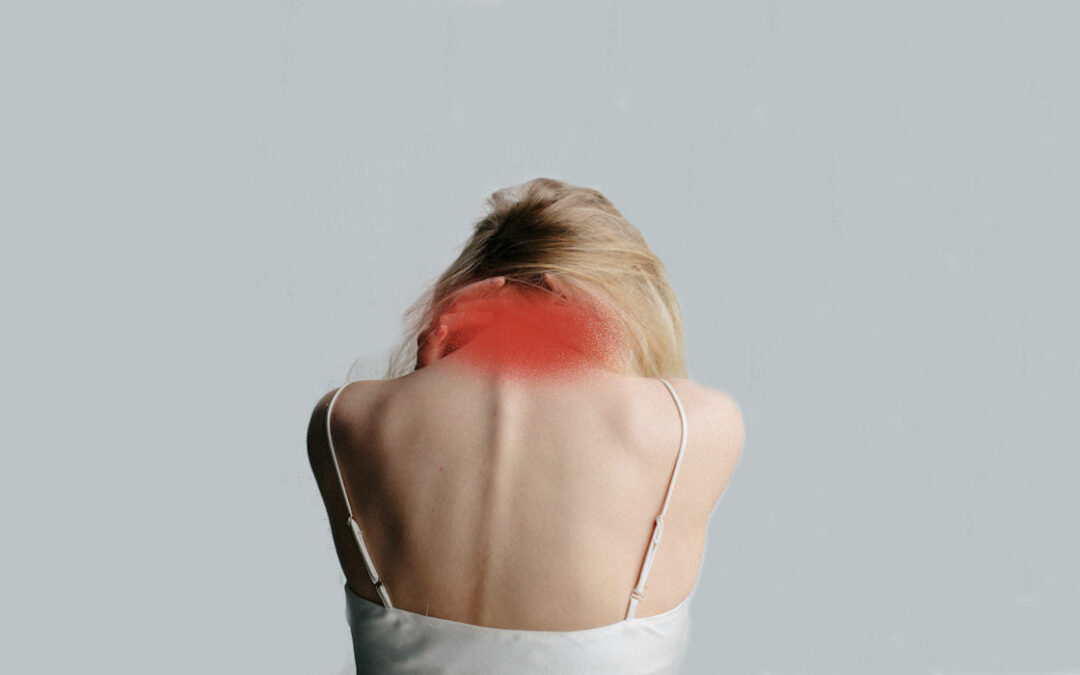
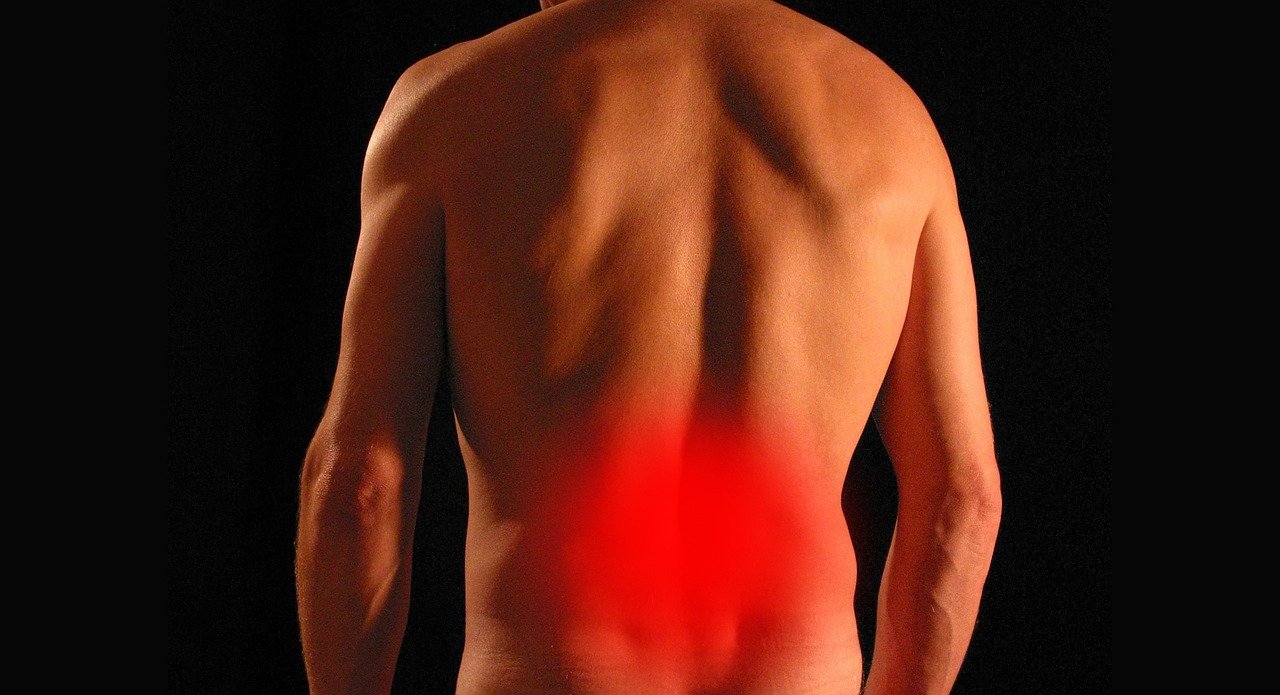
When a person complains of lower back pain, a Shiatsu practitioner’s first instinct is often to treat the painful area. But sometimes this reflex isn’t the best solution, especially when the cause originates in the intestines. As a Shiatsu practitioner, it’s always helpful to check whether the intestines are inflamed before beginning a session that might not have much effect. Discover the dietary causes of back pain.
It’s commonly said today that “back pain is the ailment of the century.” This saying is relatively recent. It stems mainly from changes in our societies’ lifestyles. Just think: in just 60 or 70 years, we’ve gone from a society made up mostly of farmers, artisans, and factory workers to a service-based society. Back then, people spent 8 to 10 hours a day standing, compared to 2 or 3 hours sitting. Today, it’s the exact opposite: we spend 8 to 10 hours a day sitting (on the couch watching TV, eating, commuting, working at a computer) compared to only 2 to 3 hours standing. From a biological evolution perspective, this revolution occurred only 5 minutes ago. Consequently, the body has not had time to adapt to this abrupt change, and we now have such weak back muscles that no one is able to sit upright for 30 minutes without leaning against the back of their chair. Back pain, particularly due to issues with the compression of the vertebral discs, has become a completely commonplace mechanical concern. This also explains why historians of anatomy state that never in the history of humanity (in the West) have we been so weak.
The Food Revolution in Reverse
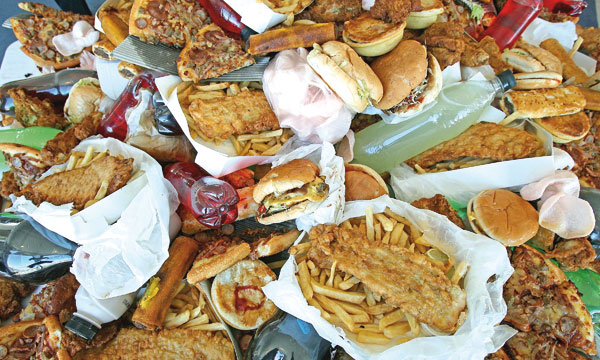
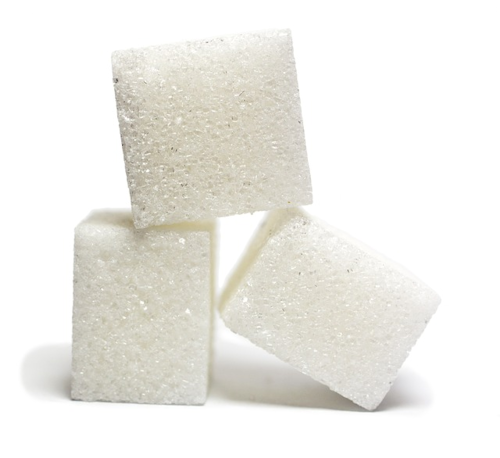
Along with the shift to a sedentary lifestyle, we must also consider a second revolution: that of our diet. Never before has our food been so rich, so varied, and… so bad for our bodies. Too much fat, too much (refined) sugar, too much (refined) salt, too much (refined) flour, and not enough fiber or water—to mention only the most common problems. Not only does the food industry over-season its dishes, but the basic ingredients have also been selected or processed. In Shiatsu, the Japanese speak of the “san paku” (or the three whites): bleached salt, bleached flour, and bleached sugar, which directly impact Yin or Yang[i].
By the way, do you know why sugar is white? Because it comes from sugar beet molasses, which is unsightly. It is then treated with lime, followed by carbon dioxide (CO₂), purified with sulfur dioxide (SO₂, an odorless and highly toxic gas), and finally filtered through animal charcoal (i.e., charred animal carcasses). And that’s not the end of the process; other delightful steps await the sugar before it reaches our plates and then our bodies.
Let’s now consider the case of flour. Not only is it chemically bleached (otherwise it remains brownish-yellow), but it also contains very high levels of gluten[ii]. Since the infamous “agricultural revolution” that devastated our countryside, the hedgerows, and the hedges that separated the fields, wheat has been bred not for its nutritional value to humans, but to meet the demands of the food industry. With gluten-rich wheat, it is much easier to make sauces, for example. Today, more than half of all wheat is destined for the food industry to be processed, not for making bread. Whether the flour is organic or not, it comes from the same wheat varieties and thus has the same gluten content; there are simply fewer pesticides in the former. However, it is scientifically established that even in small quantities, gluten causes damage to the intestines[iii]. The consequences are numerous and include, among others, a link between gluten and anemia (iron levels return to normal very quickly when gluten is eliminated), effects on memory and learning, writing difficulties, dyslexia, low self-esteem, reduced socialization, Crohn’s disease, and several others.
Eating habits that are harmful to the body
As if all that weren’t enough, we must admit that we have a regrettable habit of mixing foods that don’t go well together. In his excellent little book[iv], Jean-Pierre Marguaritte, professor of osteopathy at the University of Montpellier, provides a short list of the worst dietary habits in our daily lives.
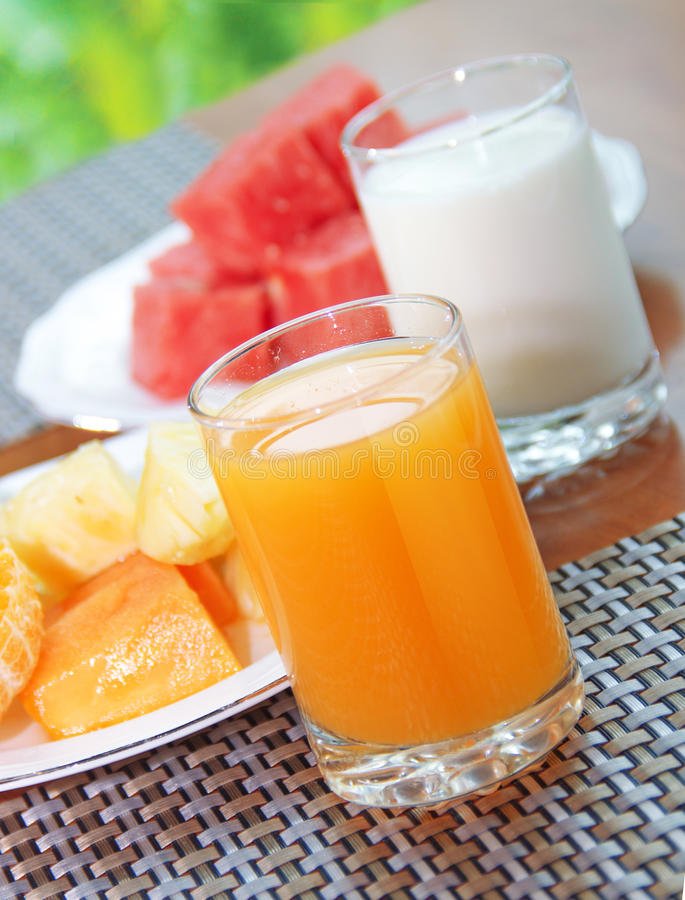
- Coffee and milk: tannins cause casein to precipitate, making it difficult for the gut to digest. Tannins are found in wine, coffee and tea. Cutting out café au lait goes a long way towards relieving back pain. Think of all the dairy products, such as cheese or yoghurt at the end of a meal, which are often enjoyed with a little wine.
- Yoghurt with active bifidus: despite what the adverts say, combining this yoghurt with cereals speeds up fermentation, which leads to bloating. This is the very discomfort that the active bifidus is supposed to relieve. It’s completely backwards!
- Cheese: Producers often emphasise the calcium content of dairy products. Cheese is one of the most acidifying foods there is. To counteract this acidity, the body compensates by drawing on its reserves of… calcium. This is what naturopaths call the ‘buffer effect’. So cheese, like all dairy products, does not strengthen bones, but contributes to their decalcification. Furthermore, in Chinese medicine it is well known that dairy products are the leading cause of phlegm, particularly in the spleen and lungs (though not exclusively), which are among the most difficult pathogenic factors to eliminate.
- Fruit and vegetables: the television goes on and on all day about how you need five portions of fruit and vegetables a day to stay healthy. This is entirely justified in order to obtain fibre, vitamins and minerals and to combat the acidification of the body caused by proteins and carbohydrates. But as for which types, in what proportions, of what quality and, above all, at what time of day – nothing is said on the subject. Just one example among many: water-rich fruits are generally acidic when eaten with bread, cereals and pulses. The resulting fermentation affects 20 per cent of the population, as people are unaware that fruit is not recommended after lunch, for those who are overweight, for diabetics and for people with liver disease.
In conclusion, it is high time to take a close look at one’s eating habits.
Posture and Inflammation of the Intestine
When we’re sitting down, our entire digestive system functions less efficiently than when we’re standing. If digestion slows down, the substances ingested with food have plenty of time to irritate the intestinal lining and cause inflammation. The consequences include constipation, diarrhea, intestinal gas, and a slowing of peristaltic movements. If you’ve read Giulia Enders’ bestseller[v], you’ll also have learned that even when going to the bathroom, the best position is squatting—to keep your back straight and avoid bending the large intestine precisely when you need it most. Long live the squat toilet, so to speak…
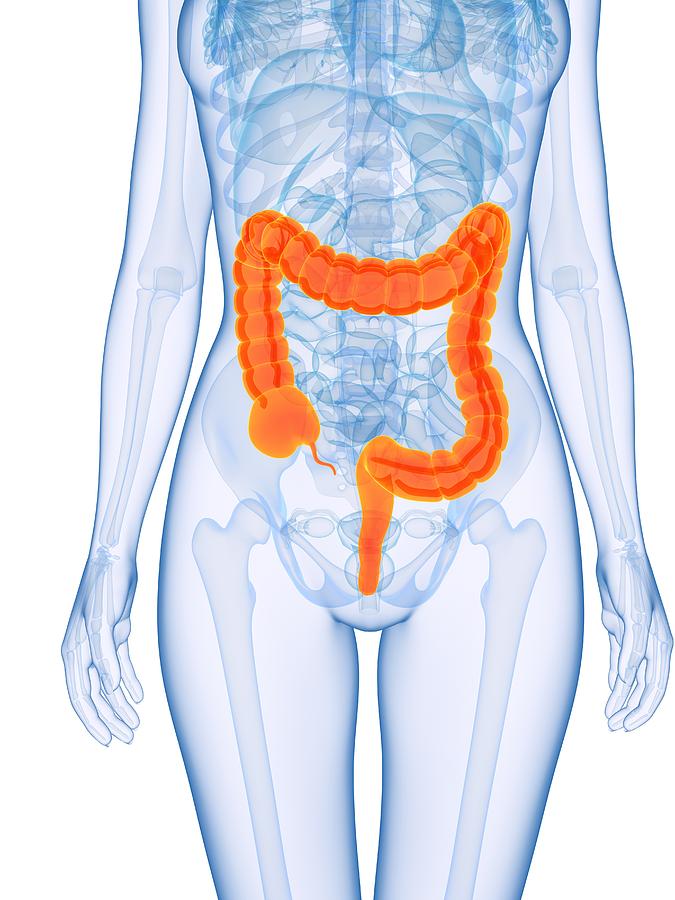
Posture is therefore also one of the causes of intestinal inflammation. But it is just one among many others we’ll list here: stress, which constricts the diaphragm and prevents it from performing its self-massaging action on the abdomen; spinal joint problems; osteoarthritis; excess weight; heredity; neuralgic disorders; poor blood circulation; in Chinese medicine, Kidney Deficiency, Jing Deficiency, and muscle weakness due to Spleen Deficiency. We are spoiled for choice.
From the Gut to Lower Back Pain
As we’ve seen, there are many causes of intestinal inflammation. The inflammation itself is already unpleasant to deal with, but the chain of anatomical consequences is even worse. On the right and left sides of the abdomen are two large muscular bands, the psoas muscles, which attach both to the lumbar vertebrae (from T12 to L5) and to two attachment sites (downward, at the hip bone and extending to the femur (lesser trochanter)). The right internal psoas is connected to the cecum, and the left to the sigmoid colon. It is clear that the relationship between the intestines and the muscles is directly linked. Consequently, swelling of the intestines will create an asymmetry in the tension of these two muscles, which will cause (either one or both at the same time) a misalignment (lateral tilt and twisting) of the lumbar vertebrae and/or a lifting of one side of the pelvis. The vertebra that bears the most weight and tension is the fifth lumbar vertebra. It will therefore be the first to suffer.
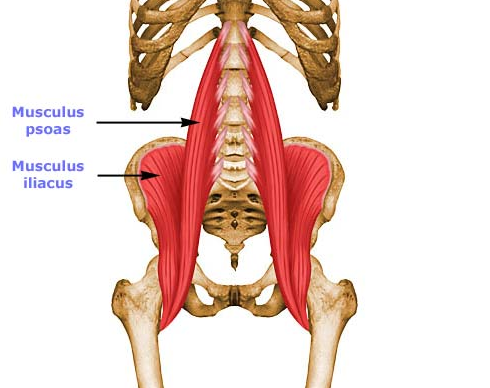
But this strain will affect the entire spine, particularly the lumbar vertebrae. This instability will create new balancing acts involving the back muscles, the quadratus lumborum, and the obliques. The risk of pinching the intervertebral nerves increases significantly, and the resulting instability puts pressure on the disc cartilage. But since cartilage lacks a blood supply, it cannot be cleansed by a continuous flow of blood. As intestinal inflammation causes an acidification of the environment, the cartilage will quickly be attacked and degrade, cracking and drying out.
Another consequence of these tensions is a slowdown in the circulation of bodily fluids, particularly blood and lymph. This slowdown prevents the psoas and other muscles from being cleansed of substances such as lactic acid, leading to muscle hypertonicity. The elasticity of the arterial walls decreases as a result, a factor exacerbated by the consumption of sugar, salt, and fat. However, in the abdomen, the abdominal aorta descends from the heart and supplies the organs and viscera before irrigating the psoas muscles and providing them with the nutrients and oxygen necessary for their good health. We are caught in a vicious cycle.
The practitioner’s instinct
The first step for a Shiatsu practitioner is to determine whether the cause of the back pain is related to the intestines. It would be a mistake to treat only the back, as this would be of little use if the cause lies in the digestive tract and the person’s diet. The Mu (Boketsu) points on the abdomen are also used to make an accurate diagnosis.
In this specific case, intestinal blockages must be cleared. When performed manually, the Chineitsang or an Ampuku can certainly do the job, provided the person does not experience too much pain in the abdominal area. These hara massages are invaluable for relieving all kinds of digestive issues.
If the inflammation is too severe, you will need to address the meridians associated with the organs, starting by dispelling Heat and restoring the proper flow of Qi (Zheng Qi). Point 25E will be the key point in your treatment because it stimulates bowel movement, but also 37E (Lower Meridian of the GI tract) and 36E (Master of the Abdomen point). But of course, it is important to treat the entire abdomen, particularly the Stomach meridian from 19E to 30E, balancing both sides.
Whether they are local or distant, these points can certainly help you effectively.
Once—and only once—the intestinal blockages have been cleared, you will then be able to relieve tension in the back and lower back, dispel the intense heat in the area to bring relief to the person… provided that these issues haven’t resolved on their own in the meantime.
Good practice!
Notes:
- [i] This condition is observed when the white of the sclera is naturally visible, either at the top or bottom of the eye, whilst keeping the pupil facing you.
- [ii] 80% of the protein in modern wheat is actually gluten. A wheat grain contains 69% gluten. By comparison, rice contains only 5%. Source : intolérancegluten.com
- [iii] Ibid, source : intolérancegluten.com
- [iv] « Le mal de dos est dans l’assiette », Jean-Pierre Marguaritte, Ed. Eurpromosteo, 2016
- [v] « Gut: The Inside Story of Our Body’s Most Underrated Organ », Giulia Enders, HarperOne, 2026
Author

- Your Body isn’t a Machine; it’s a Community - 30 September 2026
- Can Shiatsu reduce anxiety in patients undergoing chemotherapy? - 15 August 2026
- Traditional Chinese Medicine for Shiatsu Practitioners and Other Complementary Health Therapists - 19 July 2026
- Zagreb: Abdominal massage Chinese (qineizang) and Japanese (anpuku) traditions – March, 19th-21st, 2027 with two specialists - 16 July 2026
- Italy: Between Heaven and Earth – An Immersion in Shiatsu and Taoist Philosophy, with Ivan Bel, June 9–13, 2027 - 16 July 2026
- Neck and stiffness in Shiatsu - 26 June 2026