Amongst the most complex pathological case to treat, and with the most significant symptoms in Oriental medicine, is Phlegm, or Tan in Chinese. This is an evolution of Dampness (see the family of points on this subject) that has been affected by heat. Given the severity of the consequences of the presence of Phlegm (also known as Mucosity) in the body, it is essential that we know which points can help get rid of it.
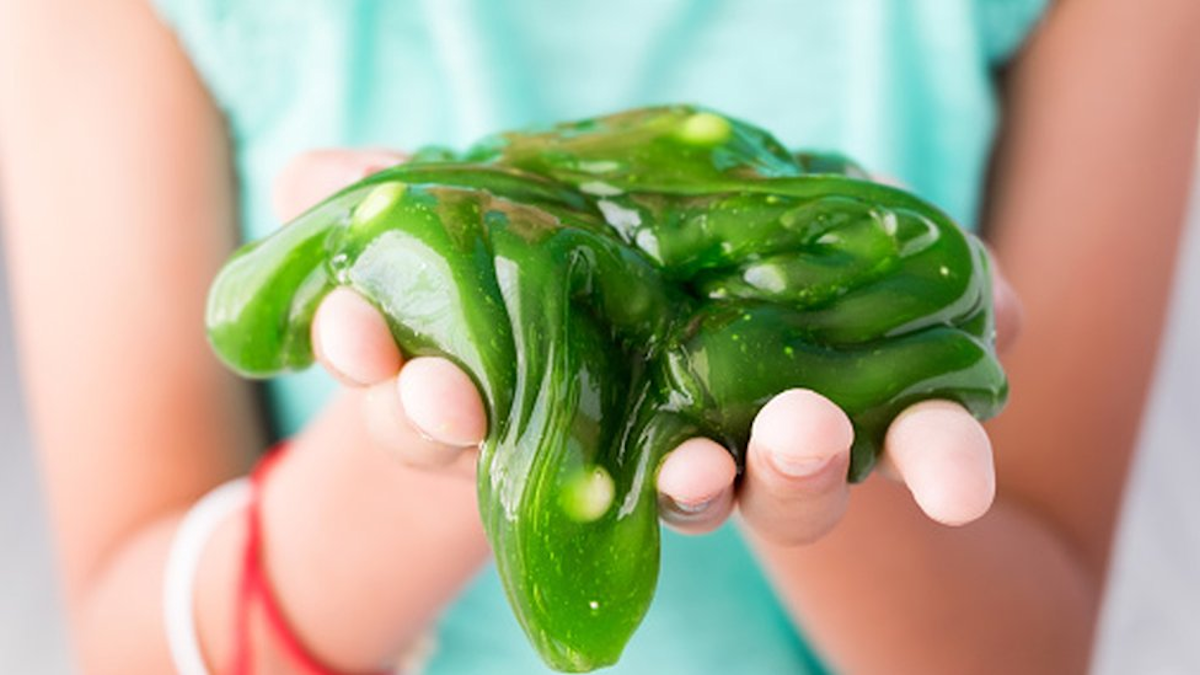
Phlegm is a pathological substance with a thick consistency, or more fluid, known as ‘mucosity’. It is essentially Dampness, a heavy, slow-moving liquid substance, that undergoes the action of Heat or Fire, which cooks it and makes it thick and sticky, creating obstructions. This process is described in the Chinese character Tán (痰), which is composed of the key to disease (Bìng) on the left and top, and the repetition of the ‘Fire’ character (Huǒ) on the inside. The usual translation of the word into English is ‘mucus, spit’, which for us evokes the thick nasal discharge in the throat that we spit out. However, in Eastern medicine, this problem can affect any organ and block any channel, creating a completely new situation compared to our Western concept of phlegm.
There are many causes of phlegm formation: it occurs when the Spleen is weak, when there is an imbalance in the relationship between the Lung and the Kidney, when there is a disturbance in the rise and transport of Heart Qi, when there is a difficulty in the free circulation of Liver Qi due to emotions, or in the circulation of the Triple Heater’s Water Way. In all cases, this will disrupt the distribution and drainage of Organic Liquids (all the aqueous forms in the body: saliva, sweat, tears, mucus, lymph, interstitial fluid…), which in turn will create stagnation and block the circulation of Qi.
Phlegm represents an internal pathogenic factor that disrupts the balance between Yin and Yang, forms sticky masses, hinders the Qi mechanism and harms Yang, maintains Blood stasis, obstructs the Heart Orifices and disturbs the Spirit (Shen). There are two types of phlegm:
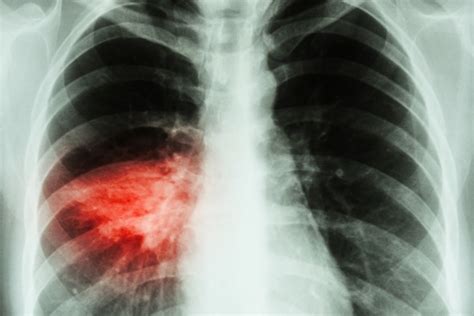
- Material phlegm (all mucus from the lungs, stomach and large intestine)
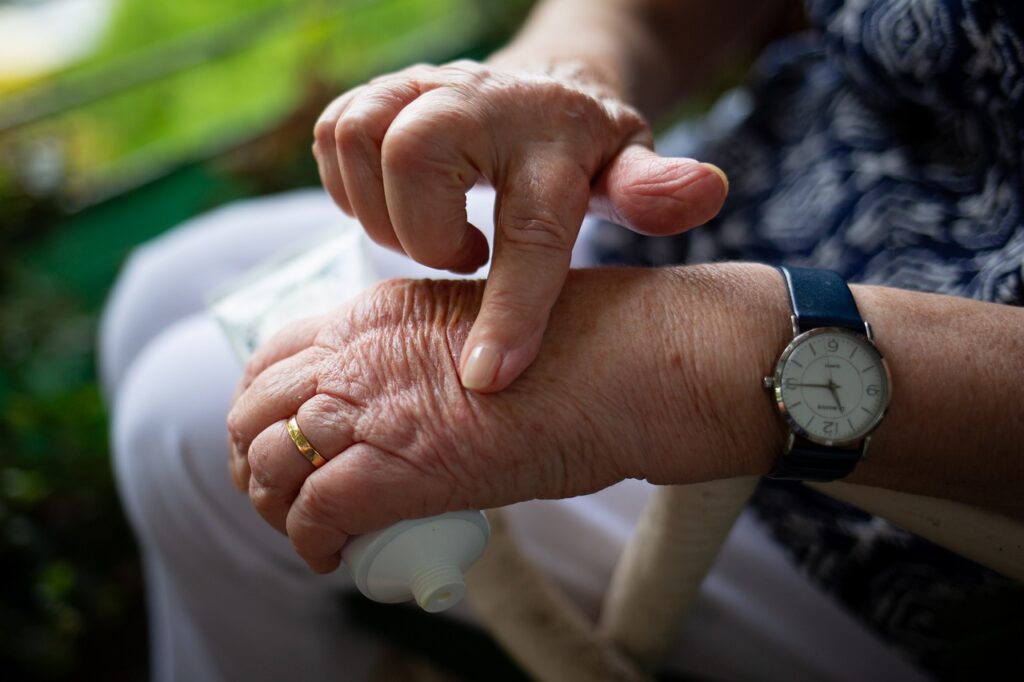
- And immaterial phlegm (which obstructs the channels, under the skin forming swellings, cysts, fibroids, lipomas… and in the joints this can even lead to deformation, such as arthritis).
Phlegm likes to combine with external or internal pathogens. With all this in mind, we find a wide variety of combinations, such as Phlegm-Humidity, Phlegm-Cold, Phlegm-Heat, Phlegm-Fire, Phlegm-Wind, Phlegm-Dryness, or Phlegm-Food, Phlegm with Blood stasis, Phlegm-Fluids, Phlegm under the skin, Phlegm in the channels, Phlegm obstructing the Heart, Phlegm in the joints, Phlegm in the Gallbladder, Phlegm in the Kidney, Phlegm-Shock… It is therefore important to carefully study all the symptoms that can result from all these combinations.
Working on the points
The main aim of the treatment is to dissolve Phlegm, but also to treat:
- Qi stagnation: promote circulation;
- Insufficient body fluids: Moisten;
- Retention of phlegm: transform;
- Excessive body fluids: purge, dry or drain.
Summary of Points
- Lung: L1, L5, L7
- Large intestine: LI11
- Stomach: St8, St36, St40
- Spleen: Sp3, Sp9
- Heart: H8
- Kidney: K6
- Bladder: Bl13, Bl20
- Pericardium: PC6
- Conception Vessel: CV6, CV12, CV14, CV17, CV22, CV24
- Governor Vessel: GV20
The points in detail
Lung
L1 (中府 Zhōng fǔ): Central palace
Located in the 1st intercostal space, directly below the outer end of the clavicle, 6 cun from the central line, it has many functions: Qi point, Shock Line, Barrier point, Lung Bo point, Well (Jing) entry point of the channel, Taiyin Meeting point (L-Sp).
Effects: Dispels fullness, stagnation and expels phlegm.
Classic combinations:
- Phlegm retention in the lung, such as bronchitis with a feeling of fullness in the chest, slippery pulse , tongue with thick, greasy coating: L1, L6, CV17, Bl13, St40 in dispersion.
- Retention of phlegm in the lung with cold: a lot of white phlegm, feeling cold, pulse sometimes tight, pale tongue with white coating: moxa on basic points.
- Retention of phlegm in the lung with heat: hoarse cough with yellow or green phlegm, sometimes sticky, rapid pulse, red tongue with yellow coating: basic points + L10 in dispersion, L11.
L5 (尺泽 Chǐ zé): Marsh at the bend
Located on the crease of the elbow, slightly outside the outer edge of the biceps tendon, it is both a Sea point (He) and Water point of the ancient 5 Shu, and a Blood point.
Effects: Cools Heat, tones Yin, moistens Dryness.
Classic combinations:
- Phlegm-Dampness in the Lung: Persistent cough with expectoration of abundant white sputum following a Wind invasion, feeling of tightness in the chest, shortness of breath, wheezing, feeling of heaviness, poor appetite, nausea. Sticky tongue coating and slippery pulse: L5, L1, L7, CV12, St40, Bl13.
- Phlegm-Heat in the Lung: persistent hoarse cough with expectoration of abundant yellow sputum following a Wind invasion, feeling of tightness in the chest, feeling of heat, sometimes slight fever, thirst, shortness of breath, wheezing, feeling of heaviness, irritability, nausea. Yellow, sticky tongue coating. Slippery and rapid pulse: L5, L1, L7, CV12, Bl13, LI11, GV14.
- Retention of Phlegm-Heat in the Lung: chronic bronchitis with acute invasion of Cold-Wind: L2, L5, L7, LI4, CV17, CV22, St40 in Dispersion.
L7 (列缺) Liè quē: Break in Alignment
In the direction of flow of the channel, it is located just in front of the styloid process of the wrist, or 1.5 cun from the wrist crease in the opposite direction. It is the opening point of the Conception Vessel, Luo point, Command point for the head, distal shoulder point, distal point for pain in the channel, Wind point.
Effect: Regulates Lung Qi, calms coughs and asthma
Classic combinations:
- Phlegm in the lung with cough: L7, K6, CV17, VC22, St40 in Dispersion.
- Phlegm in the lower abdomen, stagnation of Qi with abdominal pain and distension: L7, K6, St40.
Large intestine
LI11 (曲池: Qū chí) Pool at the bend
He-sea point, Earth point of the 5 ancient Shu, Gui (Demon) point, Tonification point, Wind point, Qi point; located on the elbow when bent at 90° , in the middle of the line joining L5 to the epicondyle of the humerus.
Effects: Circulates masses, dispels External Wind, eliminates Heat, regulates the LI channel and the organ, relaxes muscular tension, calms Liver Yang hyperactivity and eliminates Liver Fire.
Classic combination:
- Heat-dampness in the intestines: diarrhoea, mucus in stools, abdominal pain with slippery, rapid, sometimes wide pulse, red tongue with greasy yellow coating. Use LI11, St25, St37, St44, Sp6, Sp9 in Dispersion.
Stomach
St8 (頭維 Tóu wéi) Head connection or Head support)
The crossing point of the Yang Wei Mai and Shaoyang, it is the highest point of the Stomach, located 0.5 cun from the hairline and 4.5 cun from the midline, right on the fronto-parietal suture.
Effect: Treats Wind and Cold, which bring tears to the eyes, soothes pain, helps migraines with nausea and dizziness, treats facial paralysis and vision disorders. It is said to be the major point for dissolving phlegm from the head and dispelling Dampness.
Classic combinations:
- Migraines/headaches with wind-heat: St8 + GB20 + L7
- Painful headache or twitching eyelids: St8 + Bl2
St36 (足三里 Zú sānlǐ) Leg Three Miles
Located in the external depression below the head of the tibia, or 3 cun below St35, St36 is so famous that it needs no introduction. Sea point (He), Earth point of the 5 ancient Shu, Command point of the abdomen, Abortive point, lower Sea point of the stomach.
Effect: Tonifies Qi, disperses dampness and phlegm, stabilizes emotions, strengthens the Spleen and Stomach, to name just a few of the many effects.
Classic combinations:
- Dampness and phlegm: Lethargy, feeling of fullness or heaviness in the abdomen, chest or head, catarrh (inflammation of the nasal mucous membrane) with intellectual sluggishness and obesity, slippery pulse: St36, St45, Sp1, Sp2, CV12, LI4, GV20 in Tonification or with Moxibustion.
- Phlegm-Moisture in the Stomach: Fatigue, loose stools, abdominal distension, heaviness of head and/or body, occasional nausea, white discharge or skin rash with fluid-filled blisters, empty and slippery pulse, pale, flaccid and indented tongue with white, greasy and moist coating: St36, CV12, Sp3 in Tonification or with Moxibustion + CV6, CV9, with moxibustion + Sp9 in Dispersion.
St40 (丰隆 Fēng lóng): Abundant harvest or vault of opulence
This is THE great point for dissolving Phlegm. Based at 5 cun from St36, at the same level as St38 but 1 cun towards the back of the leg due to the channel’s offset trajectory. It’s also a Luo point, Qi point, distal point for pain in the Stomach channel, distal point for the neck area.
Effects: Specific point against Phlegm and Dampness, brings Qi down, harmonizes the Stomach and disperses Fire.
Classic combinations:
- Stagnation of Qi, dampness and phlegm in the lower abdomen: Abdominal pain and distension: St40, L7, K6.
- Phlegm in the Lung
- with pharyngitis: St40, CV23,
- with bronchitis: St40, Bl13, Bl42 or St40, St14, St16
- with asthma: St40, PC6,
- with catarrh (cold) of nose and throat: St40, GB20
- with nasal catarrh: St40, LI4, LI20.
- Heart Phlegm
- with hypertension: St40, CV23 or nervousness and anxiety: St40, CV14
- with depression: St40, Bl15, Bl44
- with cyclothymia: St40, H6, H7, H8.
- Heart and Stomach Phlegm-Fire with mental agitation: St40, St44.
- Lung phlegm with asthma and bronchitis: St40, L1, L2, St14, St16, CV17.
- Immaterial phlegm of the heart with palpitations and tightness in the chest: St40, CV17 or CV22 or PC1.
- Phlegm-dampness with nausea, vomiting and difficult digestion: St40, CV12, L13.
- Phlegm in the intestines with mucus in the stools: St40, St25.
- Phlegm in the fallopian tubes with infertility: St40, St29, St30.
- Phlegm-Fire of the Heart: St40, K1, PC5, PC6, H6, H7, H8.
- Phlegm-Fire and Wind of the Liver: St40, K1, L1, L3.
- Phlegm-dampness in the stomach with excessive salivation: St40, CV24.
- Phlegm-Dampness in the Stomach with slippery pulse, tongue with greasy white coating, epigastric distension, sensation of heaviness in limbs or head, dizziness, mental confusion, sometimes sinus-related headache: St40, Sp9, PC6, LI4 in Dispersion, CV6, CV12 in Harmonization + GV20, GB20, St8 for dizziness and headache + LI20, St2 in Harmonization for sinusitis.
- Retention of phlegm and Spleen Qi deficiency with empty or slippery pulse, pale, flaccid tongue with a white coating: St40, St2, St45, LI4, LI20 in Dispersion, CV12, Sp3 in tonification/Moxibustion.
- Phlegm-dampness in the head like cerebral congestion: St40, GV14, GV15, with headache: St40, St8.
- Wind-phlegm with facial paralysis: St40, GV26.
- Phlegm-Wind and Fire with hypertension: St40, K1.
- Phlegm in the Lower Burner with infertility: St40, K13.
- Phlegm in the chest with fullness and pain: St40, Sp4.
- Phlegm-Heat in the Lung with swollen, painful throat: St40, St9.
- Phlegm in the sinuses: St40, LI20.
Spleen-Pancreas
Sp3 (太白 Tàibái): Supreme white
It is located on the medial side of the big toe, in a hollow just after the head of the first metatarsal, at the border between white and red flesh. This is the River and Earth point in the ancient 5 Shu, the Spleen Source point.
Effects: Drains heat and dampness.
Classic combination:
- Phlegm-emptiness with bronchitis: Sp3 in Tonification/Moxibustion, St40, CV17, L7 in Harmonization
Sp9 (银陵泉Yín líng quán): Yin mound spring
He-Sea point, Water point of the 5 ancient Shu, Dampness point located at the top of the inner edge of the tibia, just below the tuberosity of this bone.
Effects: dispels dampness, treats pathologies of the joints, skin, digestive system…
Classic combination:
- Phlegm and dampness: Sp9, St40 in Dispersion.
Heart
H8 (少府: Shǎo fǔ) Lesser mansion or young entrails
Spring point, Fire point of the 5 ancient Shu, Ben (root) point, located between the 4th and 5th metacarpal bones, where the little finger touches the palm of the hand.
Effects: Dispels Fire in the Heart and Small Intestine, dissolves phlegm, calms the Shen and invigorates Blood.
Classic combination:
- Phlegm-Fire in the Heart with confused speech and behaviour: H8, H5.
Kidney
K6 (照海: Zhào hǎi): Sea of light
It’s located just below the medial malleolus, in the hole between the two ligaments. This is the opening point of the Yin Heel Vessel, a Qi point.
Effects: Tonifies Yin, nourishes the Kidney, soothes Shao Yin (H-K), clears eyes and soothes throat.
Classic combination:
- Phlegm and Dampness in the Uterus: Delayed cycle, amenorrhea, scanty or heavy periods, excessive vaginal secretions, difficulty conceiving, ovarian cysts, myomas, polycystic ovary syndrome, imaginary pregnancy, abdominal pain, feeling of heaviness in the abdomen, tightness in the chest, sputum in the throat, heaviness of the body, fatigue, loose stools, pale and dull complexion, overweight. Swollen tongue with yellow coating. Slippery pulse: K6, L7, CV3, CV9, St28, Sp6, Sp9, Bl22.
Bladder
Bl13 (肺俞 Fèi Shū): Lung assent point
On the first chain of the Bladder channel, 1.5 cun from the midline, at the level of the T3 apophysis, we find the lung Shu point, which is also a Wind and Qi point.
Effects: Dispels wind, tones the Lung, Yin and Qi, brings down Lung heat, reduces coughing and asthma, clears the surface.
Classic combination:
- Phlegm in the Lung with Spleen Qi deficiency: Bl13, CV17, L6 in Dispersion + CV12, St36, Sp3 in Tonification.
Bl20 (脾俞 Píshū): Spleen assent point
Shu point of the spleen is located at the apophysis of T12, still on the first chain of the Bladder.
Effects: Tonifies the Qi and Yang of the Spleen, and Blood, eliminates Phlegm and Dampness, balances behaviour.
Classic combination:
- Phlegm and dampness ex: oedema, obesity, lethargy, lack of intellectual alertness or confusion, feeling of heaviness in limbs, body or head: Bl20, Bl21, Bl49, Bl50, Sp3, St40 in tonification and moxibustion.
Pericardium
PC6 (内关 Nèi guān) Inner barrier
This point is located 2 cun above the wrist crease. It is the major opening point for the chest, Luo Connection Point, opening point of the Yin Connection Vessel, Qi point and Distal point for pain in the channel.
Effects: Frees the chest and circulates stagnant Qi, blood and phlegm, calms irregular Qi, calms Shen and Hun, regulates the Heart.
Classic combinations:
- Phlegm obstructing head and heart with headaches: PC6, St8, LI4 in dispersion.
- Phlegm in the head with mental confusion: PC6, St8.
- Lung phlegm with bronchitis: PC6, L6.
- Stomach phlegm and nausea: PC6, St40.
- Heart phlegm with intellectual slowness, heavy head, depression, irritability and slippery pulse: PC6, St40, L3, GV20, CV17 in Dispersion.
Conception vessel
CV6 (氣海 Qì hǎi): Sea of Qi
At 1.5 inches below the navel, this is one of the major Qi points.
Effects: Tonifies Yang and Yuan Qi, circulates stagnant Qi, regulates the uterus and disperses Heat-Dampness, consolidates Jing.
Classic combinations:
- Accumulation of phlegm in the lung. Ex: Asthma. CV6, CV22.
- Cold-phlegm obstructs the Heart. Ex : Depression and confusion: CV6, CV12, CV17
- Phlegm-Dampness disturbs the head. Ex: Lack of mental alertness and lethargy: CV6, CV9, CV12
CV12 (中脘 Zhōng wǎn): Middle of the Stomach
Well-known to all shiatsushi, the Mu Point of the Stomach is also a Reunion point (Hui) of the 6 deep branches of the Fu Entrails, as well as a Qi point because it’s where CV crosses the Stomach, the Small Intestine and the Triple Burner. It is found 4 cun above the navel, or halfway between the navel and the xyphoid process.
Effects: Restores Yang, regulates the Stomach, dissolves phlegm and treats disorders of the Stomach and Intestines.
Classic combinations:
- Dampness in the Stomach and Spleen: epigastric fullness and pain following an invasion of Wind, poor appetite, nausea, vomiting, loose stools, diarrhoea, feeling of heaviness. Sticky coating in the centre of the tongue. Slippery and soft pulse: CV12, CV11, CV13, Sp6, Sp9, LI4, St21, St25, St34
- Phlegm and dampness in the stomach. Ex: nausea and vomiting: CV12, St40
- Phlegm and dampness in the head. Ex: Poor concentration and memory: CV12, St40. Or feeling of heaviness and lethargy: CV12, Sp3.
CV14 (巨阙 Jù quē): large sword or watchtower
2 cun below the tip of the sternum or 6 cun above the navel is the Mu Point of the Heart, another major Qi point and Barrier point of the 3 diaphragm.
Effects: Calms fear, heart disorders and pain, lowers Lung Qi, transforms phlegm and calms the Shen.
Classic combinations:
- Fire-Phlegm of the Heart: mental confusion, confused speech, dizziness, palpitations, tightness or pain in the chest, headaches, nausea. Pulse is slippery, full, rapid, sometimes cord-like or irregular: CV14, CV17, PC6, H6, L3, St40, GV20 in Dispersion. PC9, Sp6 in tonification.
- Fire-Phlegm of the Stomach and Fire of the Heart. Ex: nausea and gastritis with palpitations and confusion: CV14, St40.
CV17 (膻中 Shān zhōng): Center of the chest
This point is found right in the middle of the chest, on the sternum, between the two nipples for men, or at the level of the 4th intercostal space. This is the Mu point of the Pericardium, a point of the 8 Reunions, a Qi point, an Emotional Barrier point, a crossing point of Jue yin with Shao yin and Shao Yang.
Effects: Dispels Qi stagnation, lowers Lung and Stomach Qi, helps fight against phlegm, particularly in the Lungs and Heart.
Classic combinations:
- Retention of cold phlegm in the Lung with chronic bronchitis: CV17, L1, L6, Bl13, St40 in Dispersion. Moxibustion on Bl13 and St40.
- Phlegm in the Lung with bronchiectasis: CV17, St40.
- Phlegm in the Lung with asthma or bronchitis with severe coughing, white, sticky sputum, slippery and pulse: CV17, L1, L6, St40, PC6, Bl13 in Dispersion, K6 in Tonification.
- Heart phlegm with depression: CV17, St40. Ex: Lack of intellectual acuity and disorientation : CV17, St45.
- Heart phlegm with depression, lethargy, confused mind, slow speech, feeling of tightness in the chest, with slippery and sometimes wiry pulse. Swollen and sometimes pale tongue, with a greasy and pale coating: CV17, CV15, H5, H9, PC5, St40 in Dispersion, CV12 in tonification/moxibustion.
CV22 (天突 Tiān tū): Celestial chimney
To conclude this series of points on the Conception Vessel, let’s go to the supra-sternal notch, 0.5 cun from the sternal fork. This is the point of intersection with the Yin Connection Vessel, a Window of Heaven point and Qi point.
Effects: Regulates the Lung’s diffusion and descent functions to prevent Lung Qi stagnation or rebellion.
Classic combinations:
- Accumulation of phlegm in the Lung with bronchitis or asthma and phlegm in the throat and chest. Slippery and sometimes full pulse, with coughing and yellow phlegm, dry throat: CV22, CV17, St40, L6 in Dispersion. L5 in tonification in cases of asthma: CV22, CV6.
- Lung phlegm and throat catarrh: CV22, St40 or CV22, Sp3.
- Lung phlegm with Liver Qi stagnation and painful cough: CV22, L14.
- Lung phlegm with throat catarrh: CV22, Sp3.
CV24 (承漿 Chéng jiāng): Saliva container
Located in the hollow of the chin, in the centre of the mento-labial crease, it is a Demon (Gui) point and a crossing point of the Conception and Governor Vessels, the Large Intestine and the Stomach, and a major local point for mouth disorders.
Effects: Calms Wind and has a positive effect on the face, tonifies the Yin of the Kidney and Heart.
Classic combinations:
- Phlegm obstructs the Heart with speech impediments: CV24, CV23.
- Phlegm-Fire of the Heart in hysteria and panic: CV24, St40.
Governor’s vessel
GV20 (百会: Bǎi huì): The hundred meetings
This point is located at the junction between the tips of the two ears, at the top of the skull, or 7 cun above the posterior edge of the scalp. It is one of the 4 Seas points, a Wind point and an intersecting point of the Governing Vessel with the Liver, Bladder, Triple Burner and Gallbladder.
Effects: Essential point for the circulation of celestial Qi regulates Yang and subdues Wind, has effects on sensory organs, head, brain and calms the Shen.
Classic combinations:
- Phlegm-dampness invades the head: hypertension, headaches, dizziness, feeling of heaviness in the head and sometimes in the chest and limbs, inability to think clearly, agitation, depression: GV20, GV26, PC5, PC6, St40, St45, Sp9 in dispersion. H7 in harmonization.
- Phlegm-fire of the Heart with mental and emotional agitation, confusion, insomnia or palpitations: GV20, GV24, Bl15, H5, PC5, K1, St40 in dispersion.
Sources
- 4th year Ryoho Shiatsu course with Ivan Bel.
- ‘ Vade-mecum de Shiatsu thérapeutique ‘. Bernard Bouheret. Editions Quintessence, 1990.
- The art and the way. ‘ Functional classification of acupuncture points. Dr Marc Barrault. DIU acu-obst. Lille, France.
- ‘ Point associations: the key to success in acupuncture ‘. Jeremy Ross Editions Satas, 2000.
- ‘ Diagnosis in Chinese Medicine Giovanni Maciocia. Editions Satas, 2006.
- ‘ Le vertige. Thesis for the professional certificate of practitioner-Fédération Nationale France-Shiatsu. Isabelle Valarché.
- ‘Atlas d’acupuncture pratique et aide-mémoire du praticien’. Alain Dubois. Guy Trédaniel éditeur, 2016
Authors
- USA: 3rd Annual Shiatsu Summit – April 17/19, 2026 - 26 January 2026
- 2nd Balkans Shiatsu Summit – in Zagreb (Croatia), April 11 & 12, 2026 - 11 January 2026
- Belgium: depression and burn-out with Shiatsu – June 19-21, 2026 in Ostend - 7 January 2026
- An intensive week to explore Emotions and Psychological Disorders – 5-11 July 2026 - 6 January 2026
- Switzerland: Shiatsu Principles and Concepts course – October 16-18, 2026 in Saillon - 10 December 2025
- Italy: Shiatsu Workshop – Energy Principles and Vacuum Concept (Xuli) in Shiatsu – 31 Jan. and 1 Feb. 2026 in Padova - 4 November 2025
Translator
Her interest in caring for others led her to become a nurse, graduating in 2005. She works in adult surgical wards. She discovered shiatsu in 2014, after a complicated pregnancy and birth, shiatsu relieved the anxieties of her 3-month-old son. She began training at ITMTC Amiens in 2016, graduating in 2019.
Along with her job as a nurse, she opened her shiatsu practice and continues to learn with, among others, Ivan Bel.